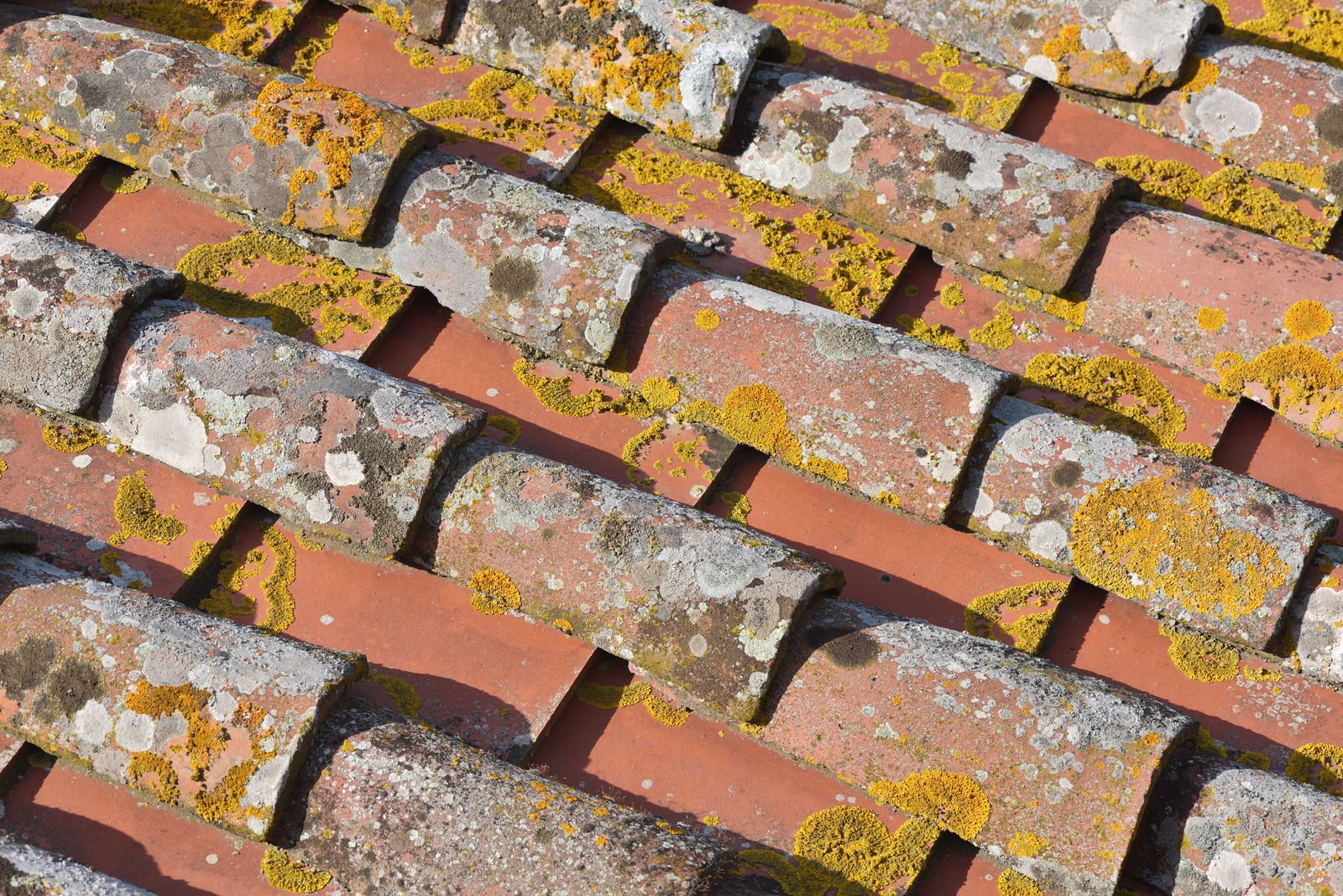
Why Does Moss Grow on a Roof? Causes and How to Stop It
A north-facing tile that never quite dries out is where it usually starts. By the second autumn it wears a thin green fuzz along the shaded edge, and within a few winters that fuzz has thickened into spongy cushions that lift the tiles and trap rainwater against the roof. Homeowners across Sussex see this pattern every year, and the question that follows is nearly always the same: why does moss keep choosing the roof?
The short answer is that a roof gives moss everything it needs to live. Understanding those needs is the first step to keeping the growth under control, so this guide explains where roof moss comes from, why some roofs suffer far more than others, and what actually slows it down.
What Moss Actually Needs to Grow
Moss is a simple, rootless plant that reproduces through microscopic spores carried on the wind. Those spores are almost everywhere in the air, so the question is never really whether they land on your roof, but whether they find conditions good enough to take hold. Three conditions matter most.
Moisture. Moss has no true roots and cannot draw water from deep inside a surface. It absorbs moisture directly through its leaves, so it depends on surfaces that stay damp. A roof slope that holds dew, shade, and rainwater for long periods gives spores the steady dampness they need to germinate and spread.
Shade. Direct sunlight dries surfaces quickly and exposes moss to ultraviolet light, both of which hold growth back. Shaded slopes, especially those facing north or shadowed by trees and neighbouring buildings, stay cooler and wetter for far longer, which is why moss almost always appears there first.
A surface to grip. Spores settle most easily into rough, porous materials. Concrete and clay tiles have textured surfaces and tiny pores that hold water and give moss something to anchor into. Older tiles that have lost their protective surface are even more welcoming than newer ones.
Why Sussex Roofs Are Especially Prone
Regional climate plays a large part in how quickly moss establishes. The South East sees frequent rainfall, humid coastal air moving inland from the Channel, and long damp spells through autumn and winter. Surfaces that stay wet for days at a time are exactly what moss spores are waiting for.
Tree cover adds to the problem. Leaves and organic debris that collect in valleys and along gutter lines break down into a thin layer of organic matter, and this debris holds moisture and feeds early growth. Once the roof edge stays permanently damp, moss spreads upward from the gutter line and outward from the shaded slopes. Keeping the roofline clear with regular
Gutter Cleaning removes a good deal of the debris that gives moss its first foothold.
The Role of Roof Age and Material
Not every roof behaves the same way. Concrete tiles are manufactured with a surface coating that resists water absorption when new. Over years of weathering, that coating erodes and the tile becomes more porous, holding water for longer and giving moss an easier surface to colonise. This is why an older roof often develops heavy moss while a newer one nearby stays comparatively clean.
Material matters too. Smooth glazed tiles and metal roofs shed water quickly and give spores little to grip, so they tend to stay clearer. Rougher concrete, natural slate with worn surfaces, and clay pantiles with deep contours all hold moisture in ways that suit moss. None of these materials is immune, but the texture and age of the surface strongly influence how fast growth takes hold.
Walk to the far side of the road and look at your roof from a distance twice a year, once in early spring and once in autumn. Moss shows up as darker, textured patches on the shaded slopes long before it is visible up close, and spotting it early makes cleaning far simpler.
Why Moss Keeps Coming Back After You Remove It
Clearing visible moss does not remove the spores in the surrounding air, and it does not change the shade and dampness that made the roof attractive in the first place. Unless those underlying conditions are addressed, new spores simply settle back into the same damp slopes and the cycle begins again.
This is where a preventative treatment makes the difference. After a roof has been cleaned, a non-toxic biocide can be applied that continues to work on the surface over the following months, slowing the return of moss, algae, and lichen. Cleaning removes what is already there; the treatment makes the surface less welcoming to what comes next. A careful
Roof Cleaning followed by biocide protection is far more durable than scraping the moss off and leaving the surface bare.
How Professionals Remove Roof Moss Safely
Removing moss is not simply a matter of blasting it off. High-pressure washing can strip the protective surface from tiles, force water under the laps, and shorten the life of the roof. A safer approach uses a no-contact method, working from mobile scaffold towers or at ground level with specialist equipment, lifting growth from the tiles without walking the roof or damaging the surface.
In our 15 years working on Sussex roofs, the jobs that stay clean longest are the ones where cleaning is paired with a patch test beforehand and a biocide afterwards. Every roof is inspected first so the method suits the tile type, whether that is concrete, slate, or clay.
Moss grows on a roof because tiny airborne spores settle into damp, shaded areas where they find the three things they need to survive: moisture, shelter from direct sun, and a rough surface to anchor to. North-facing slopes, overhanging trees, and porous concrete or clay tiles hold water long enough for spores to establish. In a damp coastal climate like Sussex, that combination is common, which is why moss returns year after year unless the roof is cleaned and treated.
Frequently Asked Questions
Is moss on a roof always a problem?
A light dusting of moss is mostly cosmetic in the short term, but it rarely stays light. Moss holds water against the tiles, and over time that trapped moisture, along with the physical bulk of the growth, can lift tiles, block drainage, and speed up wear. It is far easier to deal with early than after it has spread across a slope.
How quickly does moss grow back after cleaning?
Without any preventative treatment, visible regrowth can appear within a year or two on a shaded, damp roof. With a non-toxic biocide applied after cleaning and the surrounding gutters kept clear, the return is much slower, often several years before another clean is needed.
Does moss grow faster on north-facing roofs?
Yes. North-facing slopes receive little direct sun, so they stay cooler and damper for longer through the day and across the seasons. That extended dampness is ideal for moss, which is why north-facing roofs almost always show growth first and heaviest.
Can I just leave the moss alone?
You can, but the growth tends to worsen rather than settle. As moss thickens it retains more water, adds weight, and can work its way under tiles and into gutters. Leaving it usually means a larger, more difficult clean later, and a higher risk of tile and drainage damage in the meantime.
Will removing overhanging branches help?
It can help considerably. Cutting back branches lets more light and air reach the roof, so the surface dries faster after rain and offers moss less of the constant dampness it needs. It also reduces the leaf debris that collects in gutters and feeds growth along the roofline.
Book a free roof inspection Get your Sussex roof checked for moss, algae, and lichen before growth spreads. Ben's Roof Cleaning uses a no contact method with a free patch test and optional biocide protection. Call 01342 778892.
Keeping Moss Off Your Roof for Longer
Moss grows on a roof for reasons that are entirely predictable: damp, shade, and a surface that holds water. You cannot change the Sussex climate, but you can change how long your roof stays wet and how welcoming its surface is to new growth. Keeping gutters clear, cutting back overhanging branches, and pairing a proper clean with a preventative treatment all work together to break the cycle, so the moss that used to return every year takes far longer to come back.